As you embark on your fitness journey, understanding the fundamentals of a structured dumbbell workout can be transformative. With the right guidance, you can maximize your results and build a sustainable routine that fits your lifestyle. Here's what you'll learn about creating an effective dumbbell workout plan.
As an Amazon Associate I earn from qualifying purchases. Affiliate links may earn me a commission at no extra cost to you.
What You Will Learn
- A structured dumbbell workout plan is essential for tracking progress and staying motivated.
- Incorporate key components such as exercises, sets, reps, and rest periods to optimize your workouts.
- Warm-up and cool-down routines are critical for injury prevention and recovery.
- Focus on full-body workouts as a beginner, which engage multiple muscle groups efficiently.
- Aim for a training frequency of 2-3 times per week to allow for adequate recovery while making progress.
- Consistency and adapting your workout schedule are vital for long-term success in your fitness journey.
- Engaging with the fitness community can provide motivation and support as you pursue your goals.
Understanding the Basics of a Beginner Dumbbell Workout Schedule
Why a Structured Dumbbell Workout Schedule is Essential
Having a structured plan for your dumbbell workouts is a game-changer, especially for beginners. It not only keeps you motivated but also helps you track your progress effectively. Weight training offers numerous benefits, including increased strength, improved metabolism, and enhanced mental focus. When you commit to a plan, you're more likely to see results and stay consistent.
At Fit Space Daily, I understand how challenging it can be to juggle work, family, and fitness. That’s why a structured workout schedule is designed to fit into your busy life, allowing you to maximize your time and effort. Embrace the journey of strength training, and you'll discover the satisfaction that comes with each small achievement!
Key Components of a Weekly Dumbbell Workout Plan
To create an effective weekly dumbbell workout plan, consider incorporating the following key components:
- Exercises: Focus on a variety of movements targeting different muscle groups.
- Sets: Typically, beginners should aim for 2-3 sets of each exercise.
- Reps: A rep range of 8-12 is ideal for building strength and endurance.
- Rest Periods: Allow 30-60 seconds of rest between sets to recover and maintain form.
By structuring your workouts in this way, you'll not only stay organized but will also ensure that you’re challenging your muscles effectively. Remember, the goal is to enjoy the process and witness your progress over time!
Incorporating Warm-Up and Cool-Down Exercises
Don’t underestimate the importance of warm-up and cool-down routines! Warming up before you start lifting helps to increase your heart rate and prepare your muscles for action. A few dynamic stretches or light cardio can do wonders in reducing your risk of injury.
Additionally, cooling down post-workout is just as crucial. Incorporating stretching into your cool-down routine aids in muscle recovery and helps to alleviate soreness. Consider adding these elements to your workout schedule to enhance your overall experience and performance!
Creating Your Weekly Dumbbell Workout Schedule
Sample Weekly Schedule Breakdown
To give you a clear idea of how to structure your week, here’s a simple sample schedule. This ensures you balance workout intensity with recovery:
| Day | Exercise | Sets | Reps |
|---|---|---|---|
| Monday | Bicep Curls | 3 | 10-12 |
| Wednesday | Squats | 3 | 10-12 |
| Friday | Shoulder Press | 3 | 10-12 |
This balanced approach allows you to target different muscle groups while providing ample recovery. Adjust the plan according to your preferences and be sure to listen to your body!
Focus on Full-Body Workouts vs. Split Routines
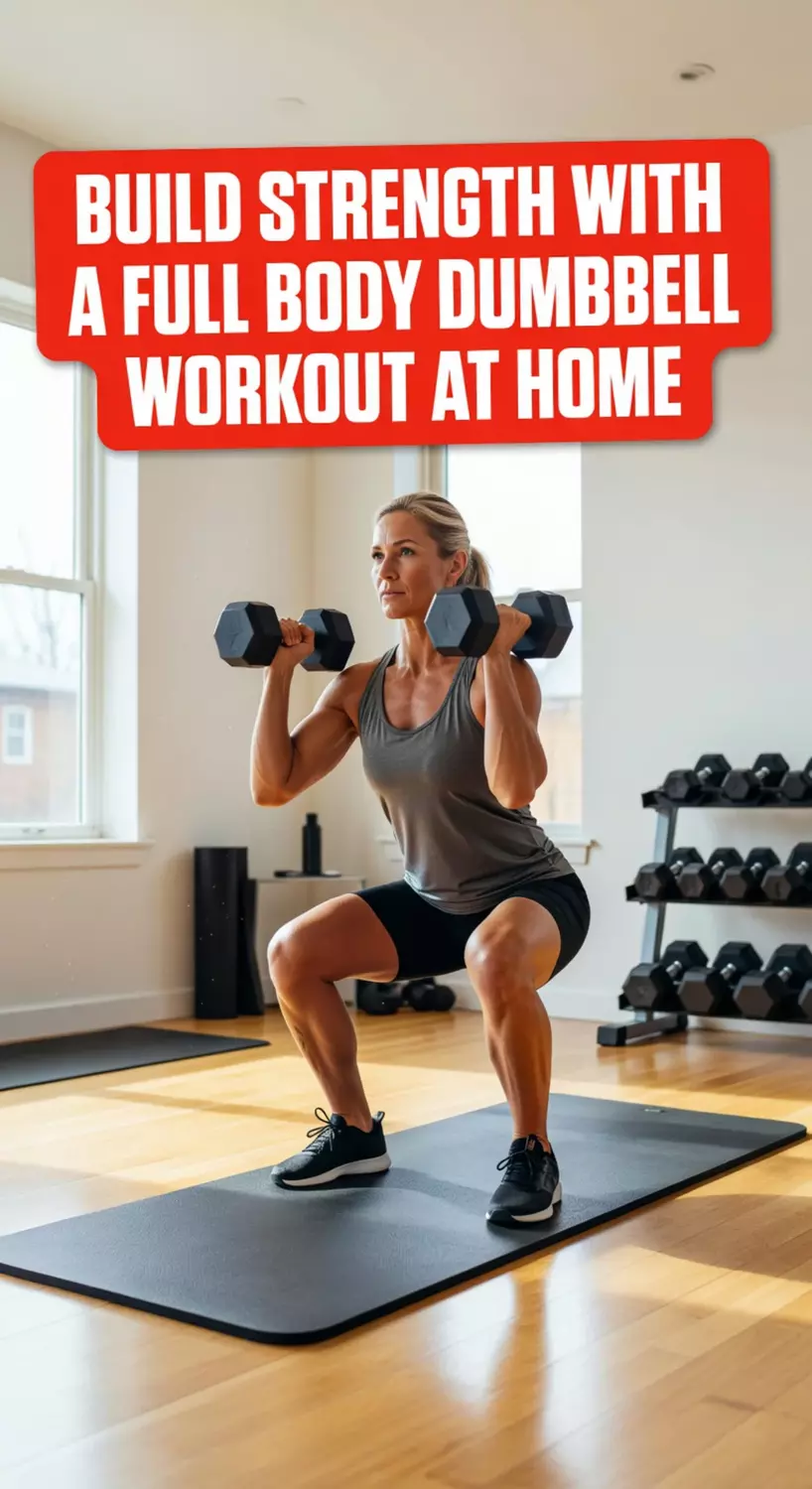
For beginners, full-body workouts can be incredibly beneficial. They engage multiple muscle groups in a single session, making them efficient and effective. This approach is perfect for those of us who may not have a lot of time to commit to fitness each week.
- Full-Body Workouts: Help build overall strength and endurance.
- Split Routines: Divides workouts into specific muscle groups, ideal for advanced lifters.
If you’re just starting out, I recommend sticking with full-body workouts. They enable you to familiarize yourself with different exercises and build a solid foundation before moving on to more complex routines.
Understanding Training Frequency for Beginners
As a beginner, you might wonder how often you should work out to achieve your fitness goals. Generally, a frequency of 2-3 times per week is ideal, allowing your body enough time to recover while still making progress. You can gradually increase intensity and frequency as you become more comfortable with the exercises.
Remember, consistency is key! Establishing a routine that fits your lifestyle will yield the best results over time. So, let’s get started on this exciting fitness journey together!
Frequently Asked Questions About Beginner Dumbbell Workouts
Why is a structured dumbbell workout plan important for beginners?
A structured plan is essential for beginners as it helps track progress, maintains motivation, and ensures consistency. It outlines exercises, sets, reps, and rest periods, optimizing your workout efficiency.
What are the key components of an effective weekly dumbbell workout plan?
Key components include selecting a variety of exercises, aiming for 2-3 sets of each, performing 8-12 reps per set, and allowing 30-60 seconds of rest between sets for recovery.
How important are warm-up and cool-down routines?
Warm-up routines are crucial for increasing heart rate and preparing muscles, reducing injury risk. Cool-down routines, including stretching, aid muscle recovery and alleviate soreness post-workout.
Should beginners focus on full-body workouts or split routines?
Beginners should focus on full-body workouts. They efficiently engage multiple muscle groups in one session, building overall strength and endurance, and providing a solid foundation before advancing to split routines.
What is the recommended training frequency for beginners?
For beginners, training 2-3 times per week is ideal. This frequency allows for adequate muscle recovery and growth while still promoting consistent progress. Intensity and frequency can be gradually increased as fitness levels improve.
Wrapping Up Your Beginner Dumbbell Journey
Congratulations on reaching this point in your fitness journey! You’ve taken the first steps into the exciting world of dumbbell workouts, and now it's time to solidify your routine. Remember, consistency is key to achieving long-term success. Sticking to your workout schedule not only helps you build strength but also fosters a lifelong habit of fitness.
Make it a point to review your schedule regularly and adjust as needed. You’ll find that as you progress, your workouts will become easier and more enjoyable. So, let’s keep that momentum going!
Consistency is Key for Long-Term Success
Finding the right balance in your workout routine is essential. As you incorporate your dumbbell training, here are a few tips to maintain consistency:
- Set specific workout days each week that fit into your schedule.
- Track your progress to see how far you've come.
- Engage in workouts that you enjoy to keep things fresh and exciting.
By staying committed to your scheduled workouts, you’ll not only see physical changes but also boost your overall confidence! Every session counts, so let's celebrate the small victories along the way.
Exploring the Fitness Community for Support
One of the best ways to stay motivated is to connect with others on similar journeys. Engaging with the fitness community can provide you with the encouragement and accountability you need. Here are some ideas on how to connect:
- Join local or online fitness groups—sharing your goals with others can keep you inspired.
- Follow fitness influencers who resonate with your goals on social media.
- Participate in challenges that promote community interaction.
Remember, we’re all in this together! Sharing your experiences can bring about meaningful connections and inspire you to push through tough days.
Additional Resources for Beginner Weight Training
As you continue your journey, having the right resources at your fingertips is crucial. I recommend checking out the following links for more insights:
- Dumbbell Workouts: A Beginner's Essential Guide - A comprehensive overview that covers the basics.
- Master Dumbbell Techniques for Beginners' Success - Focus on perfecting your form and technique.
- 7 Must-Try Dumbbell Exercises for Beginners - A list of essential moves to incorporate into your routine.
These resources will not only enhance your workouts but also keep you informed and engaged! So, keep exploring and stay committed to your fitness goals.
Recap of Key Points
Here is a quick recap of the important points discussed in the article:
- A structured dumbbell workout schedule enhances motivation and progress tracking.
- Incorporate a variety of exercises, aiming for 2-3 sets of 8-12 reps for each exercise.
- Always include warm-up and cool-down exercises to reduce injury risk and aid recovery.
- Focus on full-body workouts for beginners, allowing for efficient engagement of multiple muscle groups.
- Maintain consistency by scheduling specific workout days and tracking your progress.
- Connect with the fitness community for motivation and support on your fitness journey.