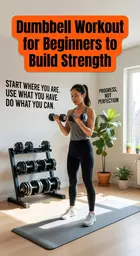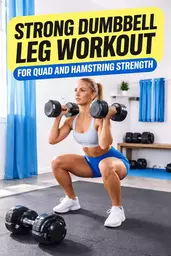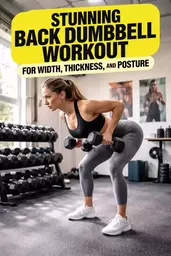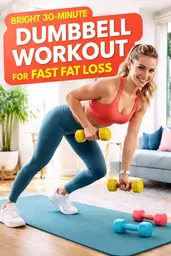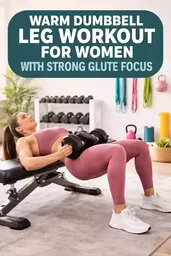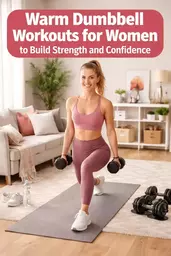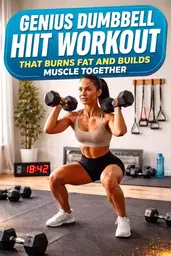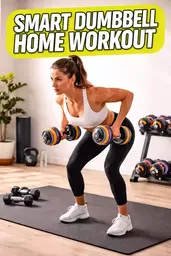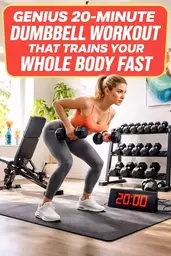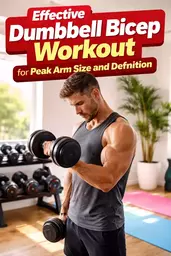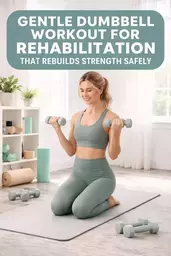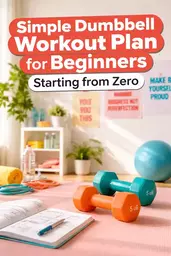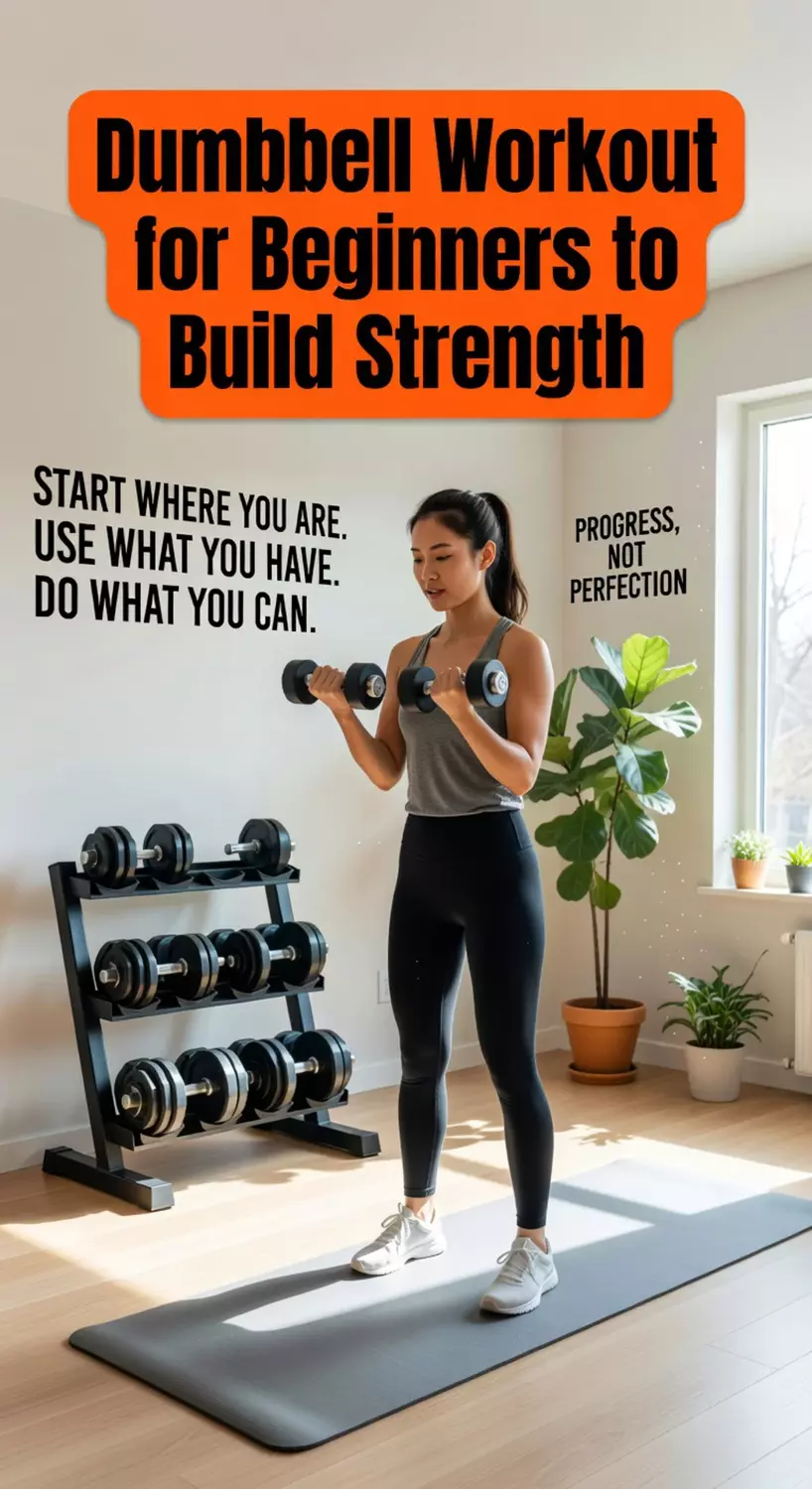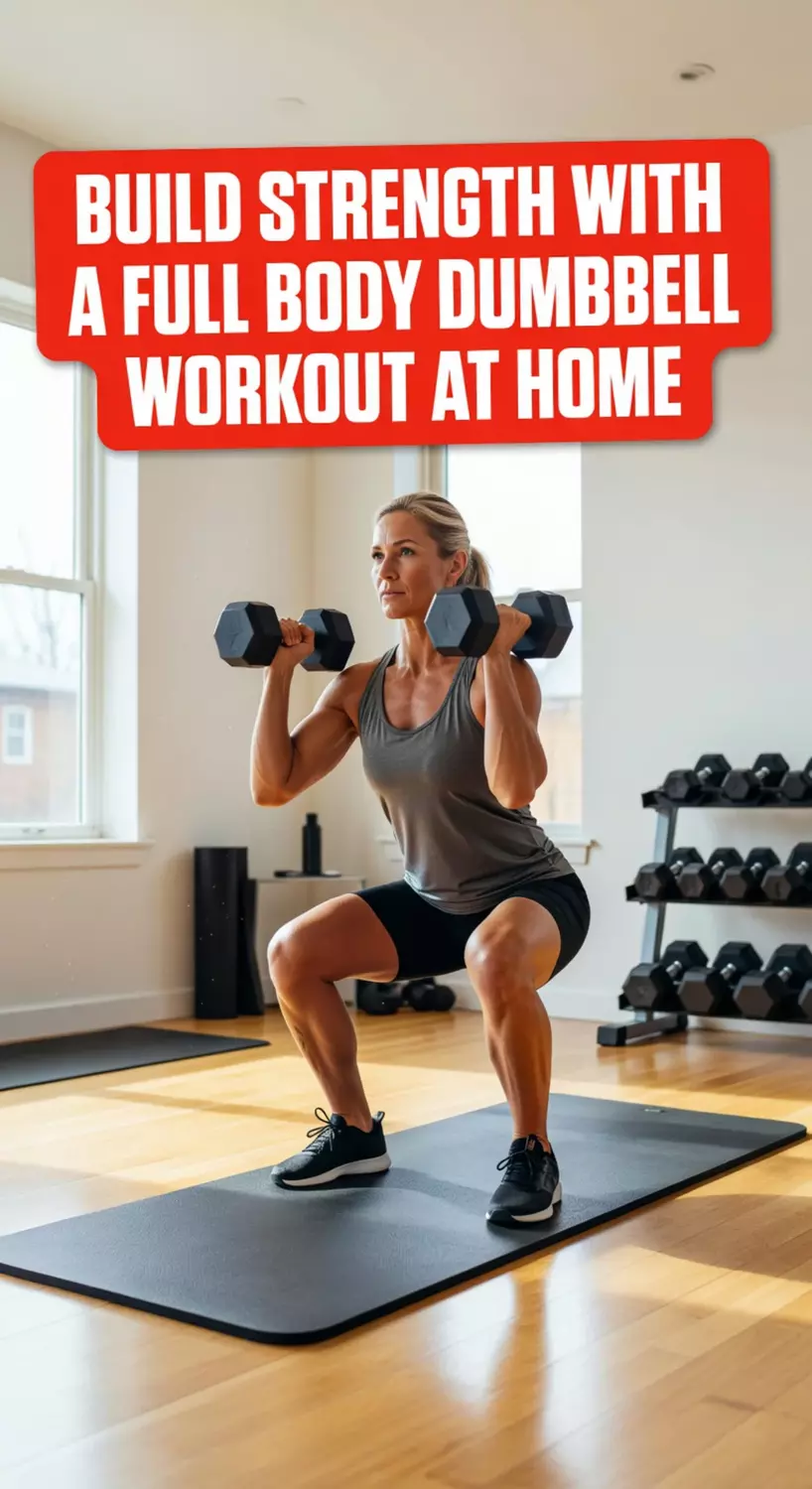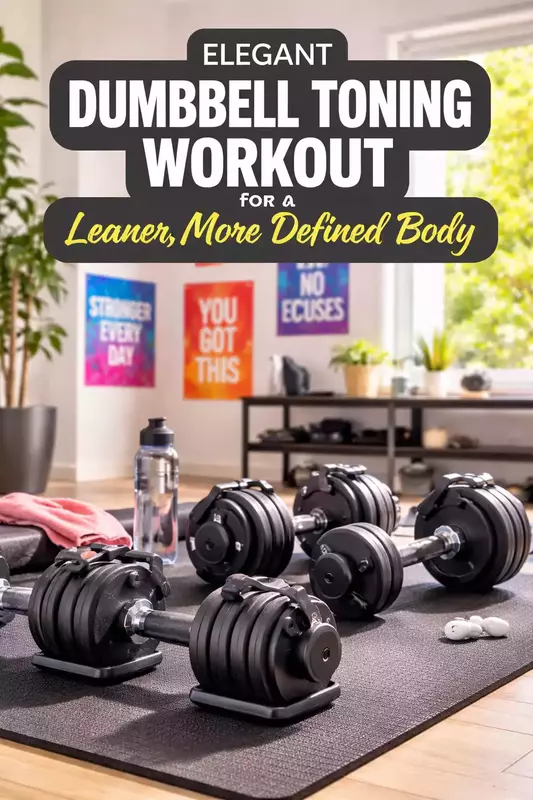
Starting a dumbbell workout can feel intimidating, especially if you've never lifted weights before. But don’t let uncertainty hold you back! You’ll discover 7 simple and effective workouts designed to ease you into strength training at home, empowering you to build confidence and strength.
First Home Dumbbell Workout That Starts Gently and Builds Slowly
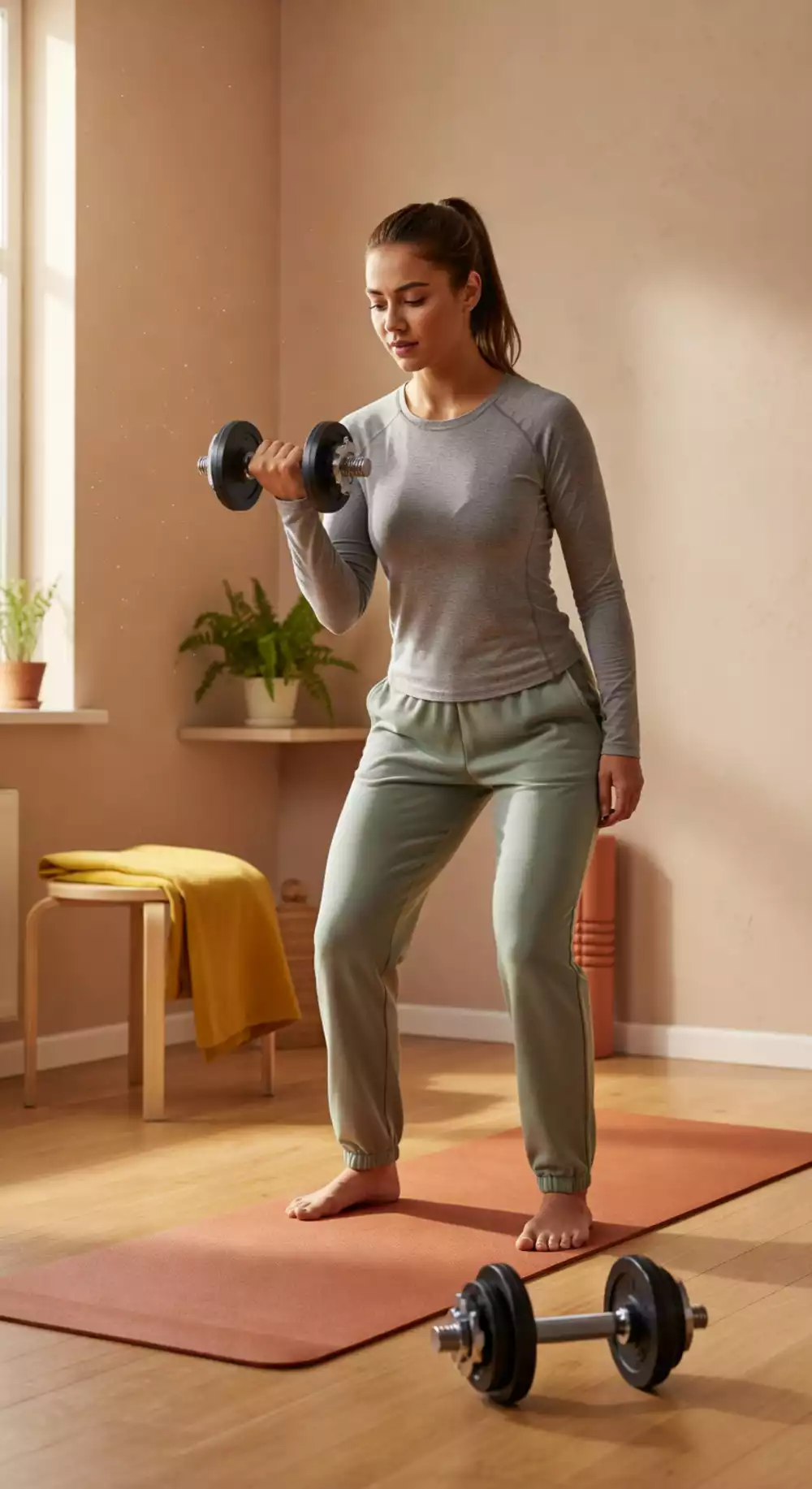
Start your strength training journey comfortably and confidently at home.
As an Amazon Associate I earn from qualifying purchases. Affiliate links may earn me a commission at no extra cost to you.
How Starting Gently with Dumbbells Benefits You: Beginning your dumbbell workout journey with a gentle approach is crucial for mastering basic movements. This method builds confidence and helps prevent injuries, allowing your body to adapt gradually to strength training. With simple exercises, you'll gain familiarity and easily transition to more complex routines.
Where most people get stuck is thinking they need to jump straight into intense workouts. This often leads to frustration or injury. Instead, focusing on mastering a few basic exercises, like bicep curls or tricep extensions with light weights, sets the foundation for future success. It’s all about building a strong base first!
- Start with adjustable weights to focus on form before increasing the load. Adjustable Dumbbells Set of 2 are perfect for beginners.
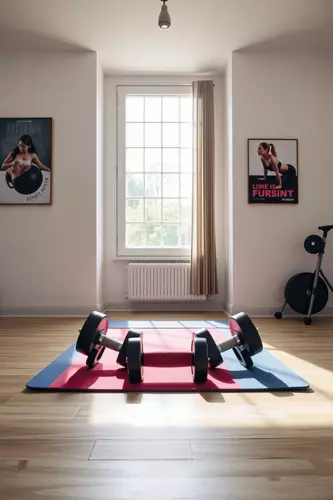
- Set up a dedicated workout space at home to create a mindset for exercise.
- Gradually increase your weights as you become comfortable with each movement.
⭐ Top Products for Beginner Dumbbell Workouts
✨ Editor's Pick
Adjustable Dumbbells Set of 2
★★★★★
Our Score: 5.0/5
These adjustable dumbbells are perfect for beginners to build strength safely and effectively.
View on Amazon →Compact Dumbbell Rack Stand
★★★★½
Our Score: 4.5/5
This space-saving rack organizes dumbbells neatly, enhancing your home workout area.
View on Amazon →Lovind Dumbbell Rack
★★★★☆
Our Score: 4.0/5
A portable rack that keeps weights organized, essential for any beginner's workout space.
View on Amazon →🚀 Quick Tips:
- Start with lighter weights: Focus on mastering form before increasing the load.
- Create a calm workout space: A dedicated area helps set your exercise mindset.
- Gradually increase weights: As you gain confidence, slowly elevate your dumbbell weight.
Beginner Dumbbell Squat and Press Combo That Teaches Two Moves at Once
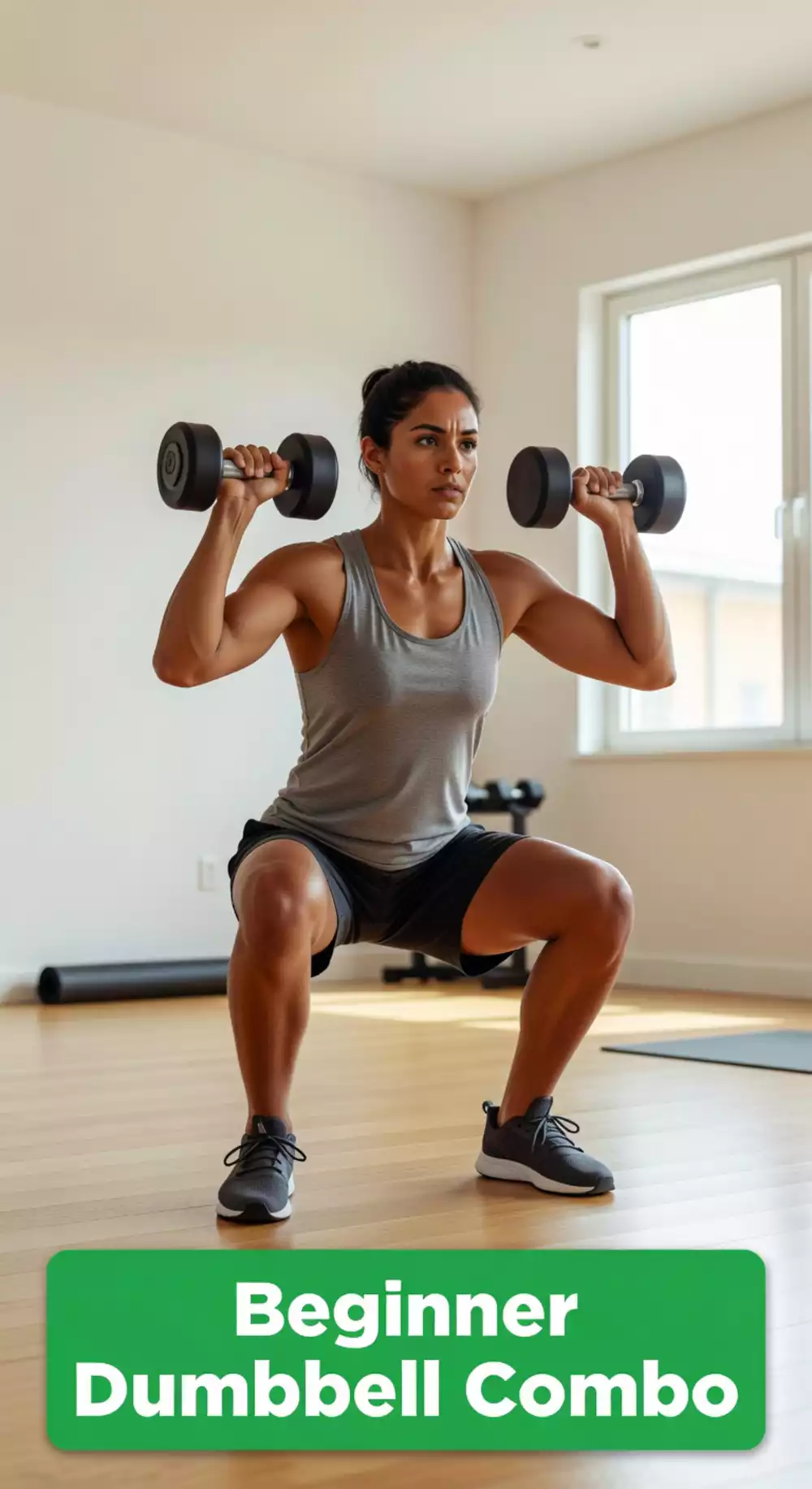
Maximize your workout efficiency by combining two essential moves.
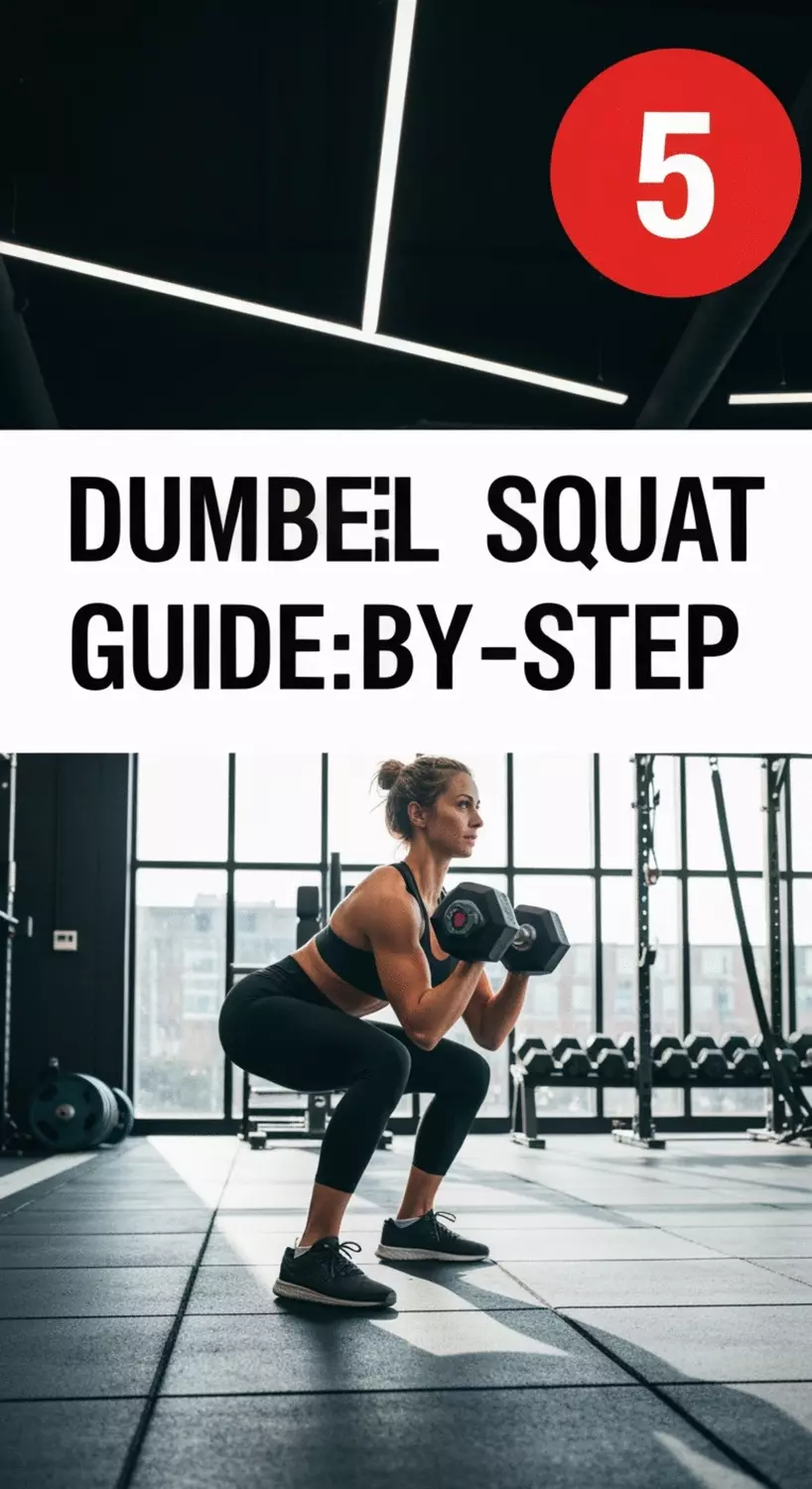
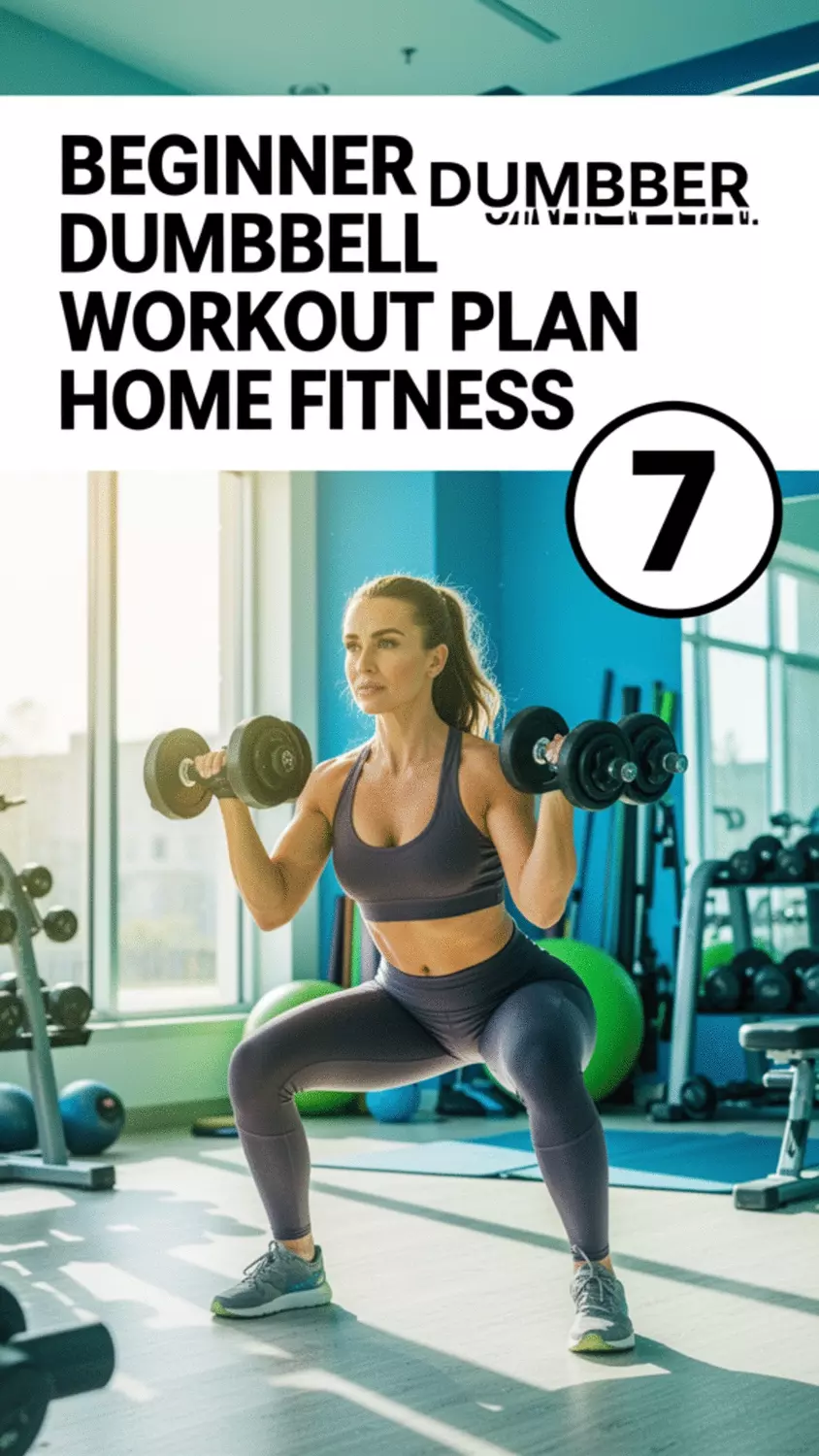
The Power of the Squat and Press Combo: Combining a squat and press is a game-changer for beginners. This dynamic move targets multiple muscle groups, including your legs, core, and shoulders, giving you a comprehensive workout in less time. The squat builds lower body strength, while the press enhances upper body stability.
A common mistake is using too much weight too soon, which can compromise form and lead to injuries. Starting with an adjustable dumbbell set allows you to focus on mastering the technique safely. Aim for a weight that feels challenging but manageable, gradually increasing as you build confidence.
- Start with a lightweight to ensure proper form during the squat and press.
- Focus on your breathing: exhale while pressing up and inhale while lowering.
- Consider using adjustable dumbbells for flexibility in weight choices.
⭐ Best Products for Squat and Press Exercises
8-in-1 Adjustable Dumbbell Set
★★★★½
Our Score: 4.5/5
This flexible weight set is perfect for mastering the squat and press combo, accommodating skill progression.
View on Amazon →✨ Editor's Pick
Adjustable Dumbbell Set of 2
★★★★★
Our Score: 5.0/5
These adjustable weights are perfect for beginners, enhancing the squat and press combo for all fitness levels.
View on Amazon →Rubber Hex Dumbbell Set
★★★★☆
Our Score: 4.0/5
Enjoy versatile training with these hex dumbbells, ideal for the squat and press while ensuring safety.
View on Amazon →🚀 Quick Tips:
- Start Light: Use a manageable weight to focus on technique and balance.
- Engage Your Core: Keep your core tight during the squat to enhance stability.
- Practice Breathing: Inhale as you squat, exhale when you press the weights up.
Home Dumbbell Row for Absolute Beginners with No Gym Experience
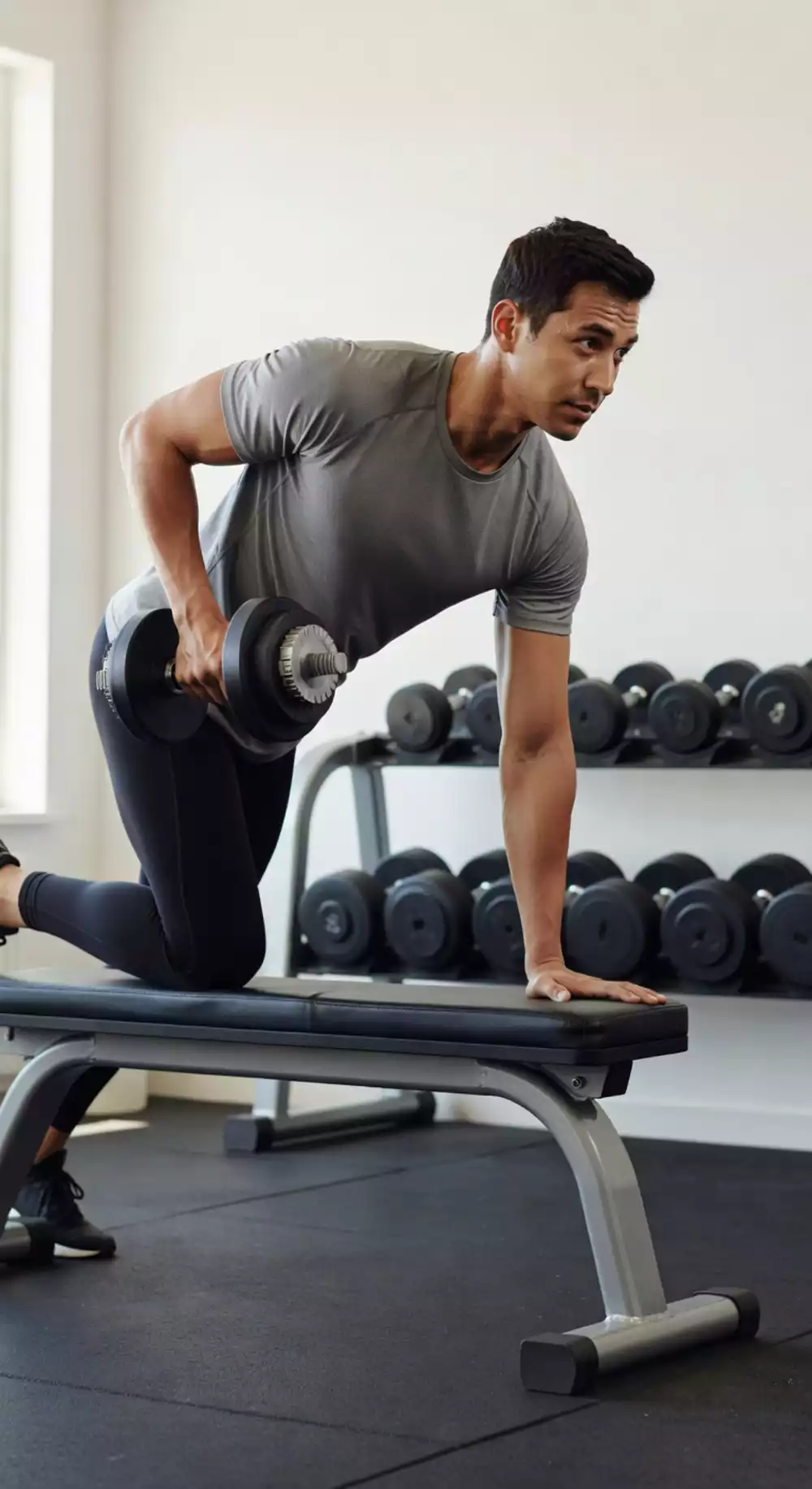
Strengthen your upper body with confidence at home!
Why the Dumbbell Row Matters: The dumbbell row is essential for building strength in your upper back and shoulders. This exercise enhances your posture and helps balance the muscles used during squats, making it perfect for beginners. Plus, it requires minimal equipment, allowing you to work out comfortably at home.
Where Most People Get Stuck is thinking they need a gym to start strength training. Many overlook how effective exercises like the dumbbell row can be in their living rooms. For instance, by focusing on form and alignment without the pressure of a gym, you can progressively build strength and confidence.
- Keep a neutral spine during the row to avoid back strain.
- Use an adjustable dumbbell rack for easy weight changes.
- Start with lighter weights to master your form before progressing.
⭐ Our Picks for Beginner Dumbbell Rows
✨ Editor's Pick
Adjustable Dumbbell Rack
★★★★½
Our Score: 4.5/5
Heavy-duty rack ensures secure storage for dumbbells, helping beginners stay organized during workouts.
View on Amazon →All-in-One Dumbbell Rack
★★★★☆
Our Score: 4.0/5
This versatile rack organizes dumbbells effectively, helping beginners maintain a tidy workout space.
View on Amazon →Heavy-Duty Dumbbell Rack
★★★★☆
Our Score: 4.0/5
This durable rack allows beginners to keep their weights organized and accessible.
View on Amazon →🚀 Quick Tips:
- Focus on Form: Prioritize maintaining a neutral spine to prevent injuries during the row.
- Use a Rack: Organize your weights on an adjustable dumbbell rack for easy access and transitions.
- Start Light: Begin with lighter weights to master your technique before increasing the load.
Simple Three-Move Dumbbell Routine Anyone Can Finish Their First Week
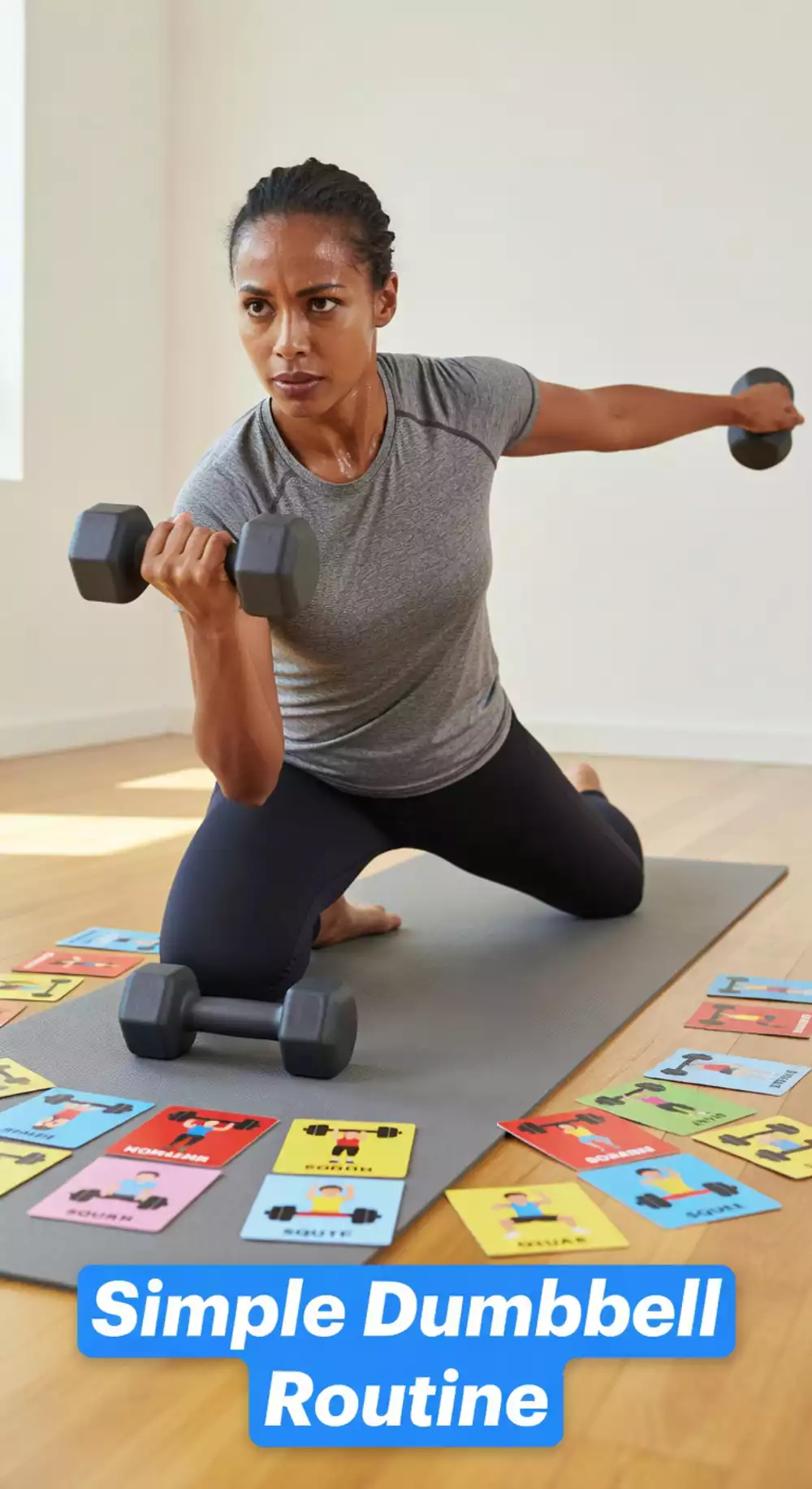
Build your strength with this easy three-move routine!
The Impact of a Simple Three-Move Dumbbell Routine: This routine includes three effective exercises that target all major muscle groups, ensuring a well-rounded foundation for beginners. By keeping it simple, you can focus on mastering each move, building confidence, and staying committed to your fitness journey.
Where Most People Get Stuck: Many beginners overlook the importance of consistency over complexity. Starting with a simple routine helps prevent overwhelm and promotes a habit of regular exercise. For instance, dedicating just 15-20 minutes to this three-move workout can lead to significant progress over time.
- Incorporate a mix of squats, presses, and rows for a balanced routine.
- Track your weights and reps to see progress over your first week!
- Consider using an adjustable dumbbell set to easily switch weights as you improve.
⭐ Recommended for Simple Dumbbell Workouts
✨ Editor's Pick
Adjustable Dumbbell Set of 2
★★★★★
Our Score: 5.0/5
These lightweight adjustable dumbbells allow for diverse routines, perfect for beginners.
View on Amazon →Adjustable Dumbbell Weight Set
★★★★½
Our Score: 4.5/5
This adjustable weight set is easy to use and store, fitting all fitness levels.
View on Amazon →Bodyweight & Dumbbell Workout Cards
★★★★☆
Our Score: 4.0/5
These instructional cards help beginners learn and practice their three-move routines.
View on Amazon →🚀 Quick Tips:
- Start Slow: Focus on form before increasing weights for better results.
- Schedule Your Workouts: Treat them as important appointments to build a routine.
- Track Your Progress: Write down your weights and reps to see how far you've come!
You're doing great, and recognizing that you've made it this far is a huge step! Remember that building strength is a journey, not a race. Every small consistent effort contributes to lasting change and confidence, making your fitness goals truly achievable.
🌟 What Helps Most:
- Always prioritize proper form over lifting heavy weights for safety.
- Stay consistently hydrated before, during, and after each workout session.
- Set realistic goals for your first few weeks to build sustainable habits.
- Schedule your workouts like important appointments to easily build consistency.
Dumbbell Workout Chart for Absolute Beginners That Removes All Guesswork
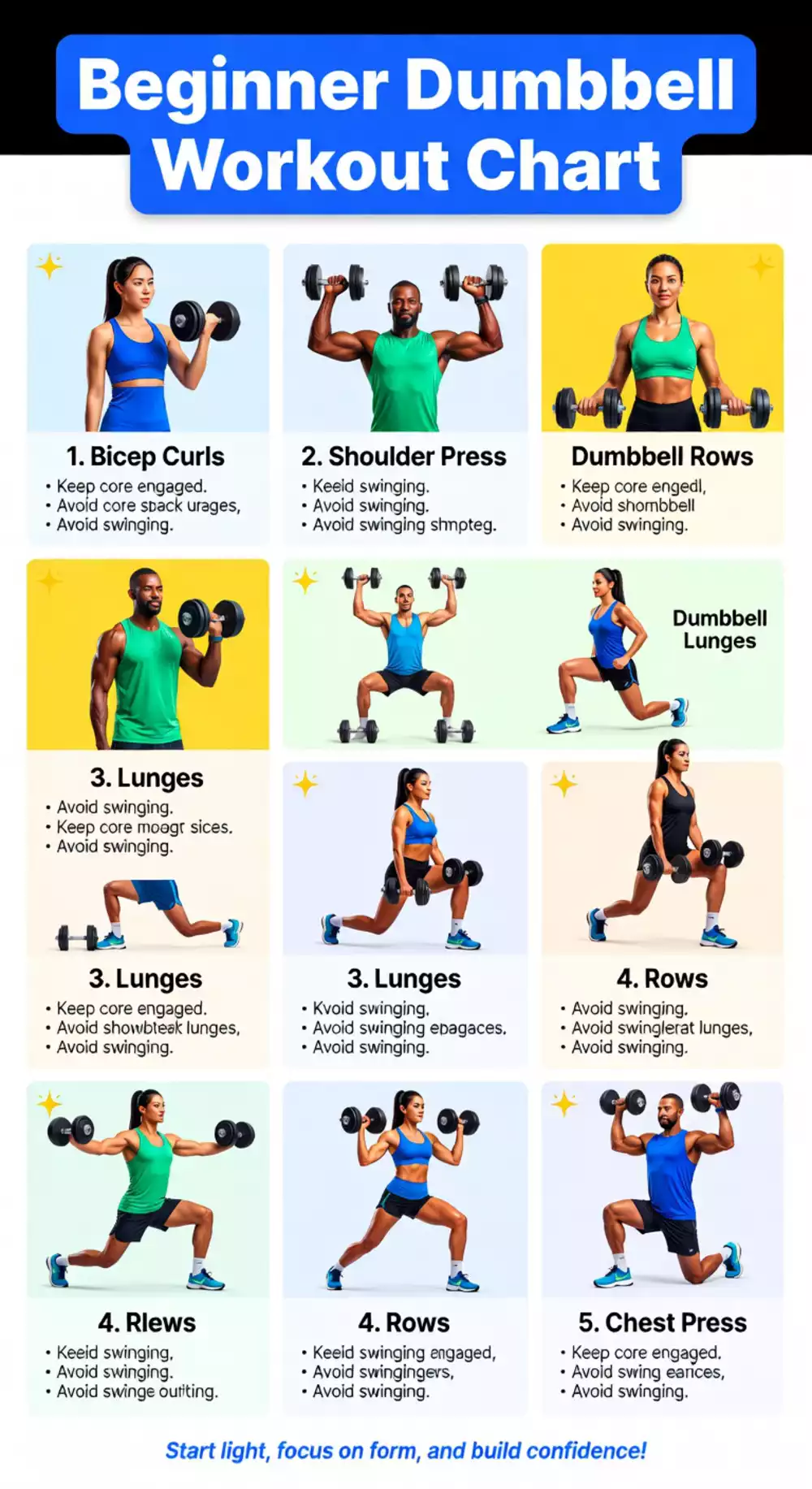
Simplify your fitness journey with a clear and effective workout chart.
The Benefits of a Dumbbell Workout Chart: A workout chart can significantly streamline the fitness journey for beginners. With a structured guide, newcomers can clearly visualize exercises, making it easier to follow along and stay consistent. This removes the stress of planning and lets them focus on developing a strong foundation in strength training.
A subtle issue that adds up is how many beginners overlook the value of structured guidance. Often, they feel overwhelmed by the sheer number of exercises available and may end up doing too much or too little. A simple chart can alleviate this confusion, providing a clear path to success and allowing users to track their progress effectively.
- Use a dumbbell workout chart to plan your weekly routine with ease.
- Customize exercises based on your fitness level and available equipment.
- Avoid confusion by sticking to a set structure in your workouts.
⭐ Top Products for Dumbbell Workouts
Large Dumbbell Workout Cards
★★★★½
Our Score: 4.5/5
These comprehensive cards provide clear guidance that helps beginners stay on track with their workouts.
View on Amazon →✨ Editor's Pick
Dumbbell Workout Posters Pack
★★★★★
Our Score: 5.0/5
These visual guides simplify workouts, making them perfect for those starting out with dumbbells.
View on Amazon →Dumbbell Workout Cards
★★★★☆
Our Score: 4.0/5
These instructional cards facilitate easy follow-along workouts, ideal for beginners.
View on Amazon →🚀 Quick Tips:
- Start Simple: Choose a few exercises to focus on each week for consistency.
- Adjust as Needed: Feel free to modify the chart based on your schedule and energy levels.
- Track Your Progress: Use notes or apps to document completed workouts and improvements.
Beginner Dumbbell Workout Guide That Explains Every Move Step by Step
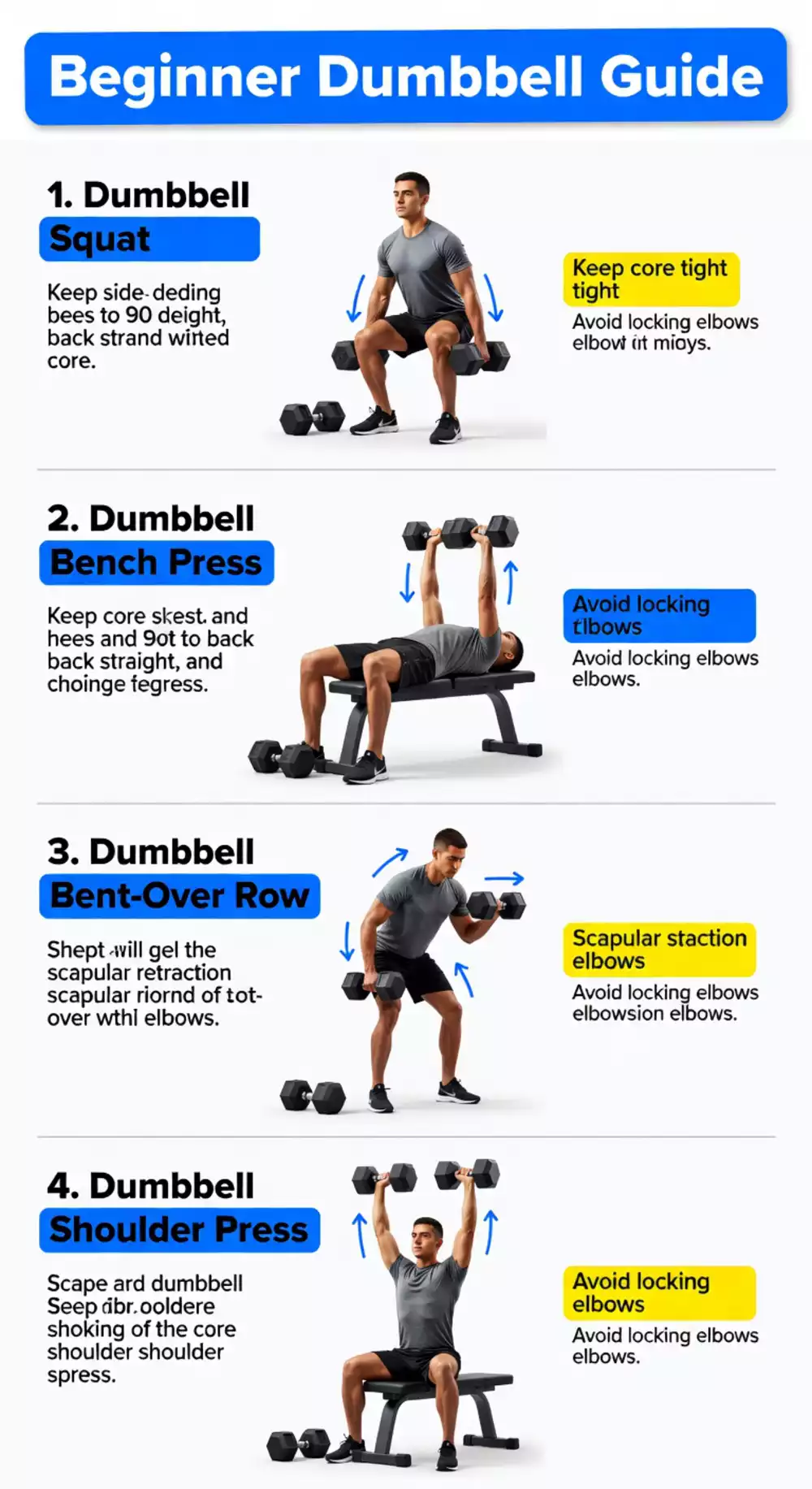
Master your moves for better strength training.
Understanding the Importance of a Step-by-Step Dumbbell Guide: A detailed guide is invaluable for beginners, helping to master each move correctly. With clear instructions, new lifters can build confidence and prevent injuries—essential for a successful workout journey.
Where Most People Get Stuck: Many beginners overlook the importance of proper form, thinking they can simply power through the workout. For example, skipping the warm-up or not focusing on technique can lead to setbacks or injury. A solid guide will help you avoid these pitfalls.
- Follow along with instructional cards to visualize each exercise.
- Start with lighter weights to focus on form and reduce injury risk.
- Consistently review and adjust your technique as needed.
💭 Important to Remember:
Many beginners rush through exercises without truly understanding them. Taking the time to learn each movement will enhance your performance and results, making your strength training journey more rewarding.
⭐ Best Products for Beginner Workout Guidance
Large Dumbbell Workout Cards
★★★★½
Our Score: 4.5/5
These large cards provide clear guidance for mastering dumbbell moves step by step.
View on Amazon →Bodyweight & Dumbbell Workout Cards
★★★★☆
Our Score: 4.0/5
This set of 100 exercise cards helps beginners follow along easily with clear instructions.
View on Amazon →✨ Editor's Pick
Dumbbell Workout Instructional Cards
★★★★★
Our Score: 5.0/5
These instructional cards provide clear visual guidance for beginners learning every dumbbell move.
View on Amazon →🚀 Quick Tips:
- Focus on Details: Take your time understanding each movement's mechanics for better execution.
- Use Visual Aids: Keep the instructional cards handy to reinforce your learning as you practice.
- Practice Regularly: Consistent practice helps solidify your understanding and boosts your confidence in the movements.
The No-Experience Dumbbell Trick That Makes Week One Feel Manageable
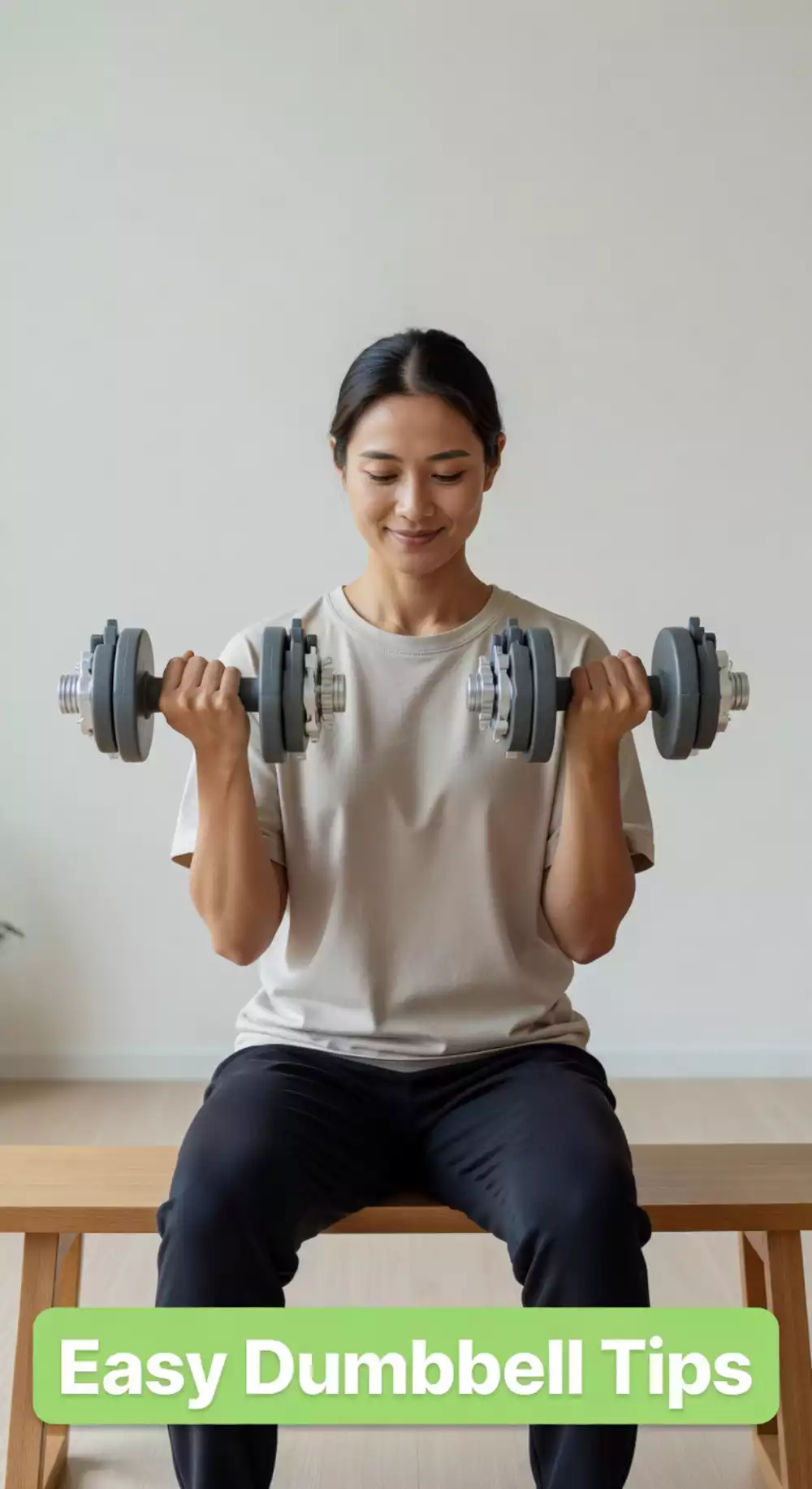
Kickstart your fitness journey with confidence and ease!
How This Trick Eases Beginners into Strength Training: Starting strength training can feel daunting, but a simple trick is to begin with just a few minutes of movement using lighter weights. This helps to build confidence, get accustomed to the equipment, and sets the stage for a sustainable routine.
A subtle issue that often gets overlooked is the psychological aspect of beginning a new workout regime. Many beginners may feel pressured to perform at a specific level or intensity. For example, if you start with just 10 minutes of light dumbbell exercises, you may find yourself enjoying the experience and looking forward to your next session, rather than feeling overwhelmed.
- Set a timer for short workouts to ease into your routine.
- Keep your setup simple—choose a designated spot for workouts.
- Listen to your body; adjust weights or rest as needed.
⭐ Recommended for Easy Beginner Workouts
✨ Editor's Pick
Adjustable Dumbbell Set
★★★★★
Our Score: 5.0/5
This versatile adjustable dumbbell set helps beginners transition smoothly into strength training.
View on Amazon →Adjustable 4-in-1 Dumbbell Set
★★★★½
Our Score: 4.5/5
This flexible set provides various workout options to adapt as you gain confidence.
View on Amazon →Adjustable Dumbbell Set with Connector
★★★★☆
Our Score: 4.0/5
This set’s multifunctionality offers diverse workout styles for a beginner's journey.
View on Amazon →🚀 Quick Tips:
- Start small: Engage in short sessions to build confidence without feeling overwhelmed.
- Celebrate progress: Acknowledge small victories to keep your motivation high each week.
- Listen to your body: Pay attention to how you feel and modify your routine as needed.
You now have seven practical approaches to seamlessly introduce dumbbell workouts into your routine. Start with one or two that resonate most with you to build your confidence and keep things manageable.
Each small step you take will foster a sense of empowerment and progress, making your home fitness journey feel increasingly rewarding. Remember, every bit of movement counts towards a stronger, healthier you.